VFD Warning Label Requirements: NEC 430, Arc Flash, and What to Put on the Drive
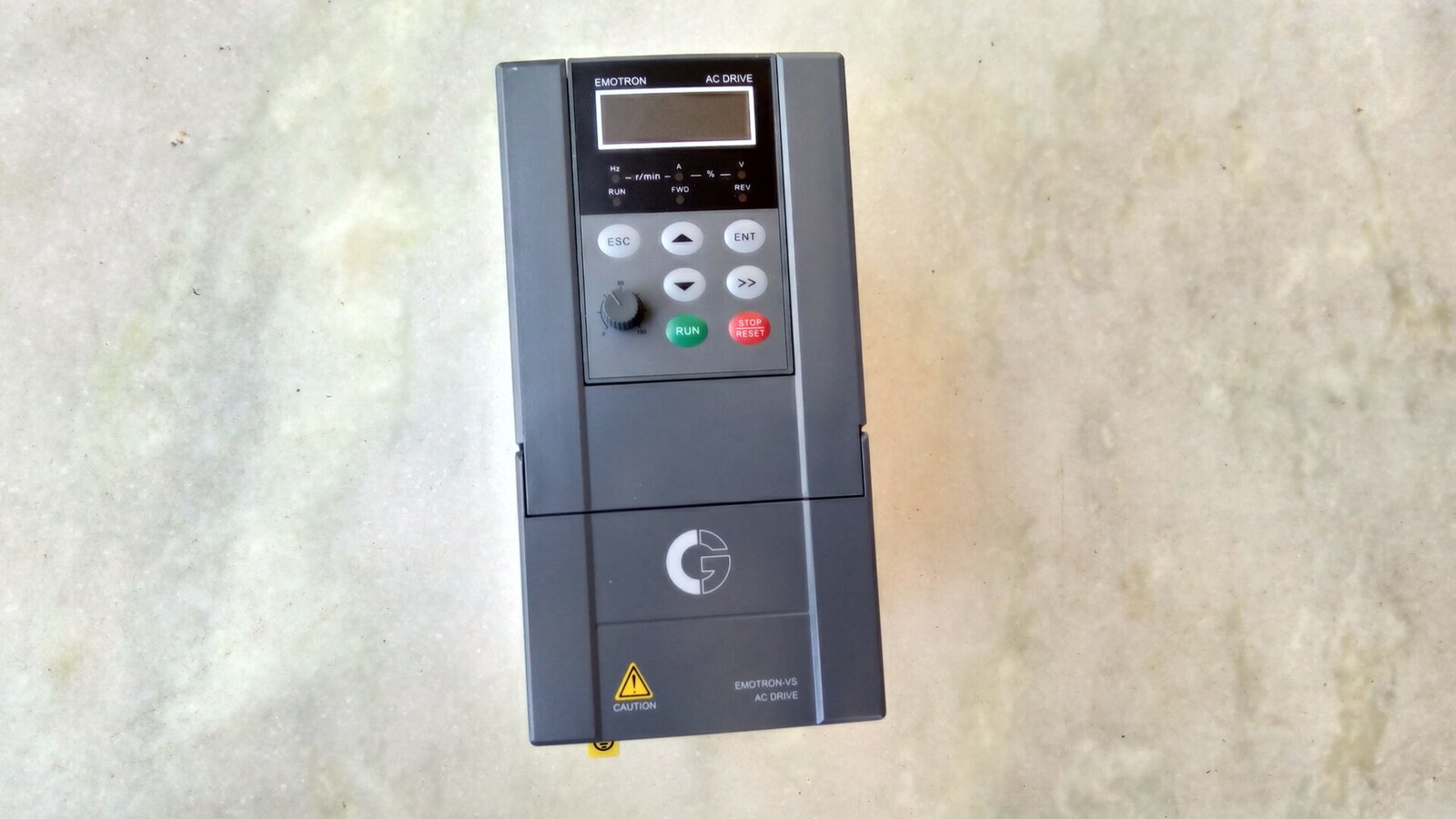
A variable frequency drive is one of the few pieces of equipment that can hurt someone after it has been switched off. That is why VFD installations carry more warning labels than almost anything else in a motor control lineup.
Important Disclaimer
This article is provided for general informational purposes only and does not constitute legal, safety, or professional compliance advice. Regulations, standards, and codes are subject to change and may be interpreted differently by authorities having jurisdiction (AHJ). Always consult with qualified safety professionals, licensed engineers, or legal counsel to determine the specific requirements applicable to your facility. TagBuilder is not responsible for any actions taken based on this information.
The Three Hazards Worth Labeling
1. Stored charge. The DC bus capacitors inside a drive hold a lethal charge after power is removed. Manufacturers specify a discharge wait time — commonly 5 to 15 minutes — and a label at the enclosure door is how that instruction reaches the person opening it.
2. Automatic restart. Drives are often configured to restart the motor after a fault clears or on a signal from the building system. A motor that starts "by itself" is a serious hazard for anyone working on driven equipment. A "WARNING — EQUIPMENT STARTS AUTOMATICALLY" label on both the drive and the machine is standard practice.
3. Multiple sources. Bypass contactors, control power transformers, and line/load reactors mean one enclosure can stay energized from more than one source. NEC 110.22 requires each disconnecting means to be legibly marked to indicate its purpose, and multiple-source warnings belong on the enclosure.
What NEC Article 430 Expects
Article 430 Part IX covers motor disconnects. The disconnecting means must be within sight of the controller — or lockable per 430.102(B) exception conditions — and every disconnect has to be identified for the load it serves. In practice that means the drive, its disconnect, and the motor all carry matching IDs: "VFD-3 / DISC-3 / SUPPLY FAN SF-3". Inspectors read labels, not one-line diagrams.
Arc Flash Marking
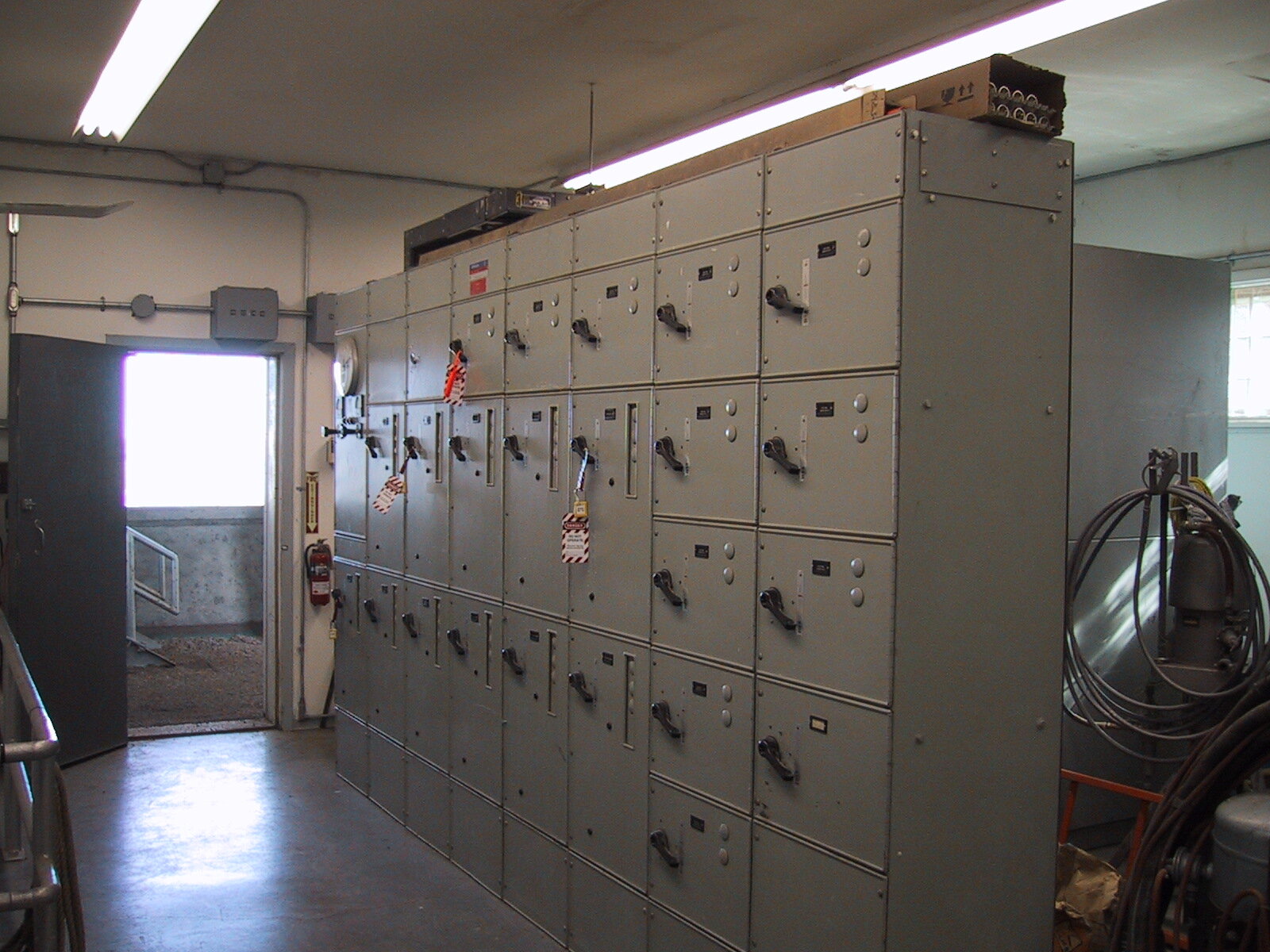
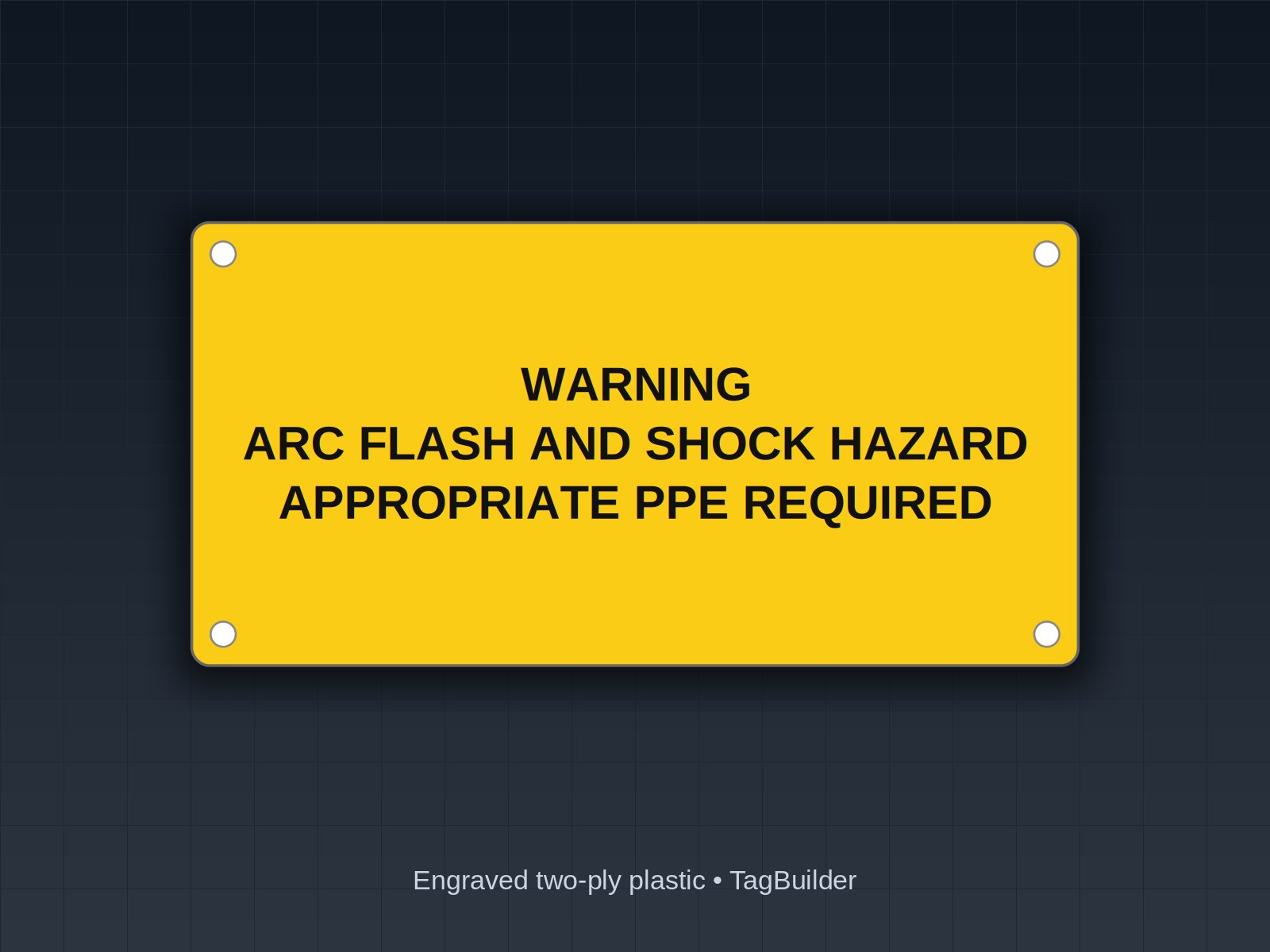
Drives live in equipment likely to be examined while energized, which puts them under NFPA 70E arc flash labeling expectations along with NEC 110.16 arc flash warning requirements for switchboards, panelboards, and motor control centers. See our full arc flash label requirements guide for what goes on those labels.
Recommended Label Set for One VFD Installation
| Location | Label |
|---|---|
| Drive enclosure door | Drive ID (VFD-1) + stored-charge wait-time warning |
| Disconnect | Disconnect ID + load served |
| Enclosure exterior | Multiple-source warning (if bypass/control power present) |
| Driven machine | "Starts automatically" warning + motor ID |
| MCC bucket | Circuit/bucket ID matching the panel schedule |
Engraved two-ply labels are the norm here: they stay legible next to warm enclosures and wipe clean of the dust and oil that kills printed stickers.
Stock VFD warning labels in multiple colors, adhesive or screw-mount, ship in days.
Building out a full lineup? Use the configurator to make matching drive, disconnect, and motor IDs in one order.
Photo credits: "Variable Frequency Drive" by Suyash.dwivedi via Wikimedia Commons (CC BY-SA 4.0); "Motor Control Center 480 Volt" by Wtshymanski via Wikimedia Commons (CC BY-SA 3.0). Product images: TagBuilder.